Gambling addiction and relationships: 4 patterns of harm and what rebuilding trust involves
 Save
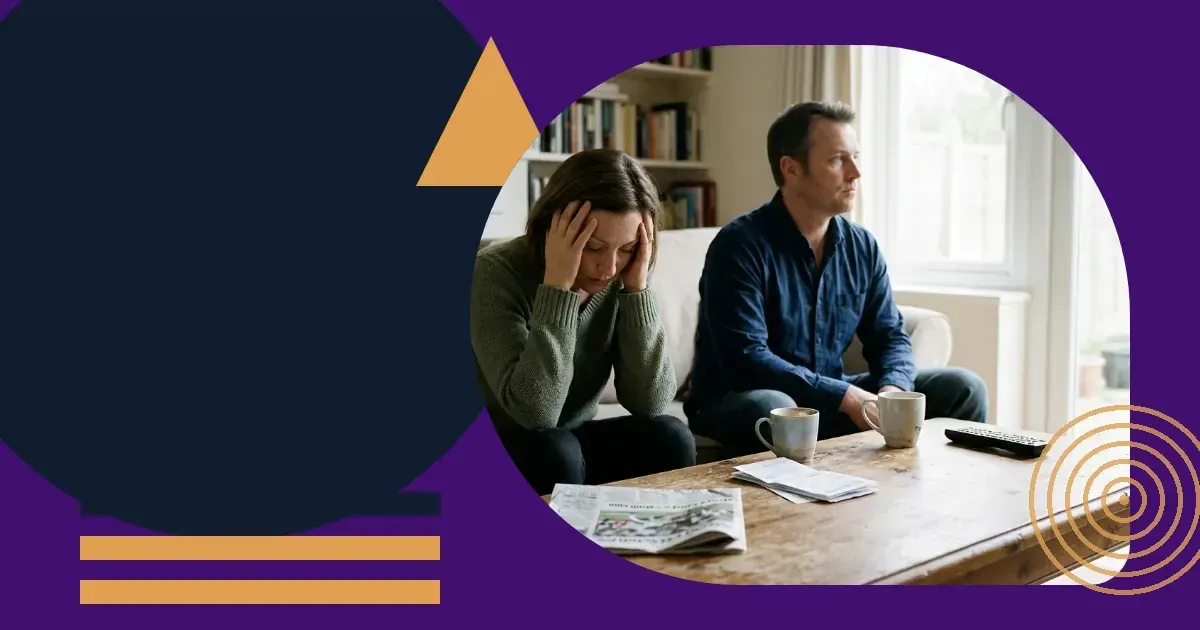
Gambling addiction damages relationships in specific, recognisable ways. It breaks trust through repeated lies, creates financial secrecy that isolates partners, and replaces time together with time spent gambling or recovering from losses. The person gambling often feels shame; the partner or relative feels betrayed, angry and powerless. This article explains the relational patterns that gambling addiction creates, the harm it causes to families, and the practical steps that make repair possible when someone chooses recovery. You will find it on AJAG, where we write about gambling addiction and the routes out of it.
The trust cycle that gambling breaks
Trust in a relationship depends on honesty, predictability and follow-through. Gambling addiction undermines all three. The person gambling makes promises they cannot keep: they will stop, they will repay money, they will be home at a certain time. Each broken promise erodes trust further.
Lying becomes habitual. Small lies cover where money went; larger lies conceal debts or explain missing wages. Over time, the partner or family member stops believing anything they are told. The relationship shifts from partnership to surveillance: checking bank statements, questioning every absence, doubting every explanation.
Rebuilding trust after gambling addiction requires sustained honesty over months, not weeks. It cannot be rushed, and the person in recovery must accept that scepticism from their partner is a rational response to past behaviour, not punishment.
Financial secrecy and control
Gambling addiction often begins in secret. The person hides losses, opens accounts their partner does not know about, or withdraws cash without explanation. By the time the problem is disclosed, the household may be in debt, savings may be gone, and bills may be unpaid.
Partners describe feeling financially trapped. Joint accounts are emptied; credit taken out in both names is used without consent; earnings that should cover rent or food disappear. The person not gambling is left managing creditors, explaining to children why plans have changed, and trying to piece together what remains.
Recovery includes transparent financial arrangements: joint access to accounts, agreement on who handles money, and sometimes external oversight such as a debt adviser or a trusted relative who receives wage payments. Control is rebuilt slowly, and only when the person in recovery has shown they can follow agreed limits without exception.
Emotional distance and isolation
Gambling addiction creates emotional withdrawal. The person gambling becomes preoccupied with the next session, the next win, or how to hide the last loss. Conversations become shallow or defensive. Intimacy fades.
Partners often describe feeling alone in the relationship long before they understood what was happening. The person gambling may be physically present but mentally elsewhere, irritable when interrupted, or emotionally flat. Social plans are cancelled; family time is cut short; the person disappears without explanation.
For children in the household, the effects include confusion, anxiety and sometimes anger. They notice the arguments, the tension, the parent who is distracted or absent. Rebuilding these bonds requires the person in recovery to be consistently present, emotionally available and willing to repair hurt without expecting immediate forgiveness.
The cycle of crisis and temporary calm
Relationships affected by gambling addiction often move through repeated cycles. A crisis occurs: a debt is discovered, money goes missing, a lie is exposed. The person gambling promises to stop, and for days or weeks they may keep that promise. The partner feels cautious relief. Then another slip happens, and the cycle restarts.
This pattern is exhausting for everyone involved. The partner begins to expect disappointment; hope becomes painful because it has been crushed before. The person gambling may feel genuine remorse each time, but remorse alone does not change behaviour.
Breaking the cycle requires structured support, not just willpower. That means counselling, peer groups, financial controls and often the use of blocking tools such as GamStop or software like Gamban. The person in recovery must accept that their word alone is no longer enough; they need to demonstrate change through actions that can be verified.
Practical steps for the person in recovery
If you are the person whose gambling has harmed your relationships, the following steps create a foundation for repair. They are not quick, and they require you to accept discomfort, accountability and the possibility that trust may take a very long time to return.
- Disclose the full picture. Tell your partner or family the extent of the debts, the accounts, the money spent. Write it down if speaking feels too hard. Partial honesty will only delay the next crisis.
- Hand over financial control. Agree who will manage money, what access you will have, and how spending will be monitored. This is not punishment; it is a practical safeguard while you rebuild your ability to handle money without gambling.
- Use every blocking tool available. Self-exclude through GamStop, install blocking software on all devices, ask your bank to block gambling transactions. If you are serious about stopping, you remove every easy route back.
- Seek structured support. Contact GamCare or another organisation for counselling. Join a peer group. Let your partner know you are attending and offer to share what you are working on in those sessions.
- Accept that repair is slow. Your partner may be angry, distant or unwilling to believe you. That is a consequence of your behaviour, and pushing them to forgive faster will only create more harm. Show up, follow through, and let time do its work.
What partners and family members can do
If someone close to you has a gambling problem, you are not responsible for fixing it, and you cannot control whether they stop. What you can do is protect yourself, set boundaries, and decide what you are willing to tolerate while they work on recovery.
Separate your finances if possible. Open an account they cannot access. Redirect your wages. If you share a mortgage or have joint debts, speak to a debt adviser about your options. Protecting your own financial stability is not selfish; it is necessary.
Do not cover their debts with your own money or by taking on new credit. Doing so removes a consequence that might otherwise push them towards help, and it leaves you worse off. If creditors contact you, explain that the debt is not yours and seek advice from a free service such as StepChange or Citizens Advice.
Talk to someone yourself. GamCare offers support for family members, not just the person gambling. You may also benefit from speaking to a counsellor or joining a group for relatives of people with addiction. Carrying this alone makes it harder to cope.
Decide what your limits are. What behaviour will you accept while they are in recovery? What will lead you to leave? You do not have to announce these boundaries immediately, but knowing them helps you act when you need to. You can read more on how to talk to someone about their gambling if you are preparing for that conversation.
What recovery looks like in relational terms
Recovery from gambling addiction is not a single event. In relational terms, it means the person has stopped gambling for a sustained period, has put blocking tools in place, is attending support, and is keeping agreements about money and transparency. It also means they can talk about their urges and setbacks without hiding or minimising them.
For partners and family, recovery means seeing consistent behaviour over months. It means having access to financial information, knowing where money is going, and not having to live in constant suspicion. It means the person in recovery takes responsibility for repair without expecting praise for meeting basic promises.
| Stage | What it involves | What partners notice |
|---|---|---|
| Early recovery | Stopping gambling, disclosing debts, using blocking tools | Small signs of honesty; still high vigilance |
| Active rebuilding | Counselling, peer groups, transparent finances, following limits | Consistency over weeks; less anxiety about money |
| Sustained change | Maintaining blocks, managing triggers, open communication about urges | Gradual return of trust; less need to monitor |
Not all relationships survive gambling addiction, and choosing to leave does not mean you failed. Some harm cannot be undone, and sometimes the safest choice is separation. If you are considering that, speak to someone who understands the practical side: how debts are divided, what rights you have, how to protect children.
Relapse and what it means for relationships
Relapse is common in gambling addiction. A single slip does not erase all progress, but it does test the relationship again. How the person in recovery responds to a slip matters more than the slip itself. Do they disclose it immediately? Do they return to their support network? Or do they hide it and try to manage alone?
For partners, relapse can feel like proof that nothing has changed. The anger and disappointment may be sharper the second time. If relapse becomes a pattern, the relationship may not survive further cycles. The person in recovery must understand that each slip costs trust that was already fragile, and that their partner has limits.
If relapse happens, the steps are the same: full disclosure, renewed use of blocking tools, return to counselling, and acceptance that repair begins again from a lower baseline. The partner is entitled to decide whether they are willing to go through it once more.
Getting help for gambling addiction and its impact on relationships
GamCare provides free support for people affected by gambling, including partners and family members. You can call the National Gambling Helpline on 0808 8020 133, available around the clock, or visit gamcare.org.uk for web chat and resources.
BeGambleAware offers information and links to local services at begambleaware.org. Gordon Moody provides residential treatment and online programmes at gordonmoody.org.uk.
GamStop, at gamstop.co.uk, allows self-exclusion from all gambling sites licensed in Great Britain. Blocking software such as Gamban (gamban.com, paid) or BetBlocker (betblocker.org, free) can be installed on phones, tablets and computers.
Gambling help is for people aged 18+. If you are under that age and worried about your own gambling or someone else's, speak to a parent, teacher or another adult you trust, or contact a young people's helpline such as Childline.
What to do this week
Repairing a relationship damaged by gambling addiction begins with small, concrete actions. You do not need to have all the answers or a perfect plan. Start with one step that reduces harm or opens a line of support.
- If you are the person gambling, self-exclude through GamStop today and call the National Gambling Helpline to ask about counselling in your area.
- If you are a partner or relative, separate your finances where possible and speak to a debt adviser if you are unsure what debts are yours.
- Write down one boundary you need to protect your own wellbeing, and decide what you will do if it is crossed.
- Tell one person you trust what is happening, whether that is a friend, a relative or a professional. Carrying this alone makes it harder to see a way through.
This site is an information portal for people in the UK affected by gambling addiction, whether directly or through someone close to them. We do not sell goods or services. The content here is for general guidance only; it does not replace advice from a counsellor, debt adviser or legal professional. Gambling support services are for people aged 18 and over. For free, confidential help at any time, contact BeGambleAware at begambleaware.org or call the National Gambling Helpline on 0808 8020 133.
Download PDF: Repairing relationships after gambling addiction PDF, 28 KB
Frequently asked questions
Does gambling addiction ruin relationships?
Gambling addiction causes serious harm to relationships through repeated lying, financial secrecy and emotional withdrawal. Many relationships do not survive without structured recovery and sustained honesty. Some can be repaired if the person gambling stops, seeks support and follows transparent financial agreements over many months.
How does gambling affect a partner or family?
Partners and relatives often experience financial loss, broken trust and constant anxiety. They may take on debts they did not agree to, manage creditors alone, and feel isolated or ashamed. Children in the household notice the tension and absence, which can affect their own emotional wellbeing.
Can you rebuild trust after gambling addiction?
Trust can be rebuilt, but it requires the person in recovery to stop gambling completely, use blocking tools, attend counselling, and maintain transparent finances for months without exception. The partner sets the pace, and pushing for forgiveness too quickly will only cause further harm. Not all relationships survive, and leaving is a valid choice.